.png)
The Challenge
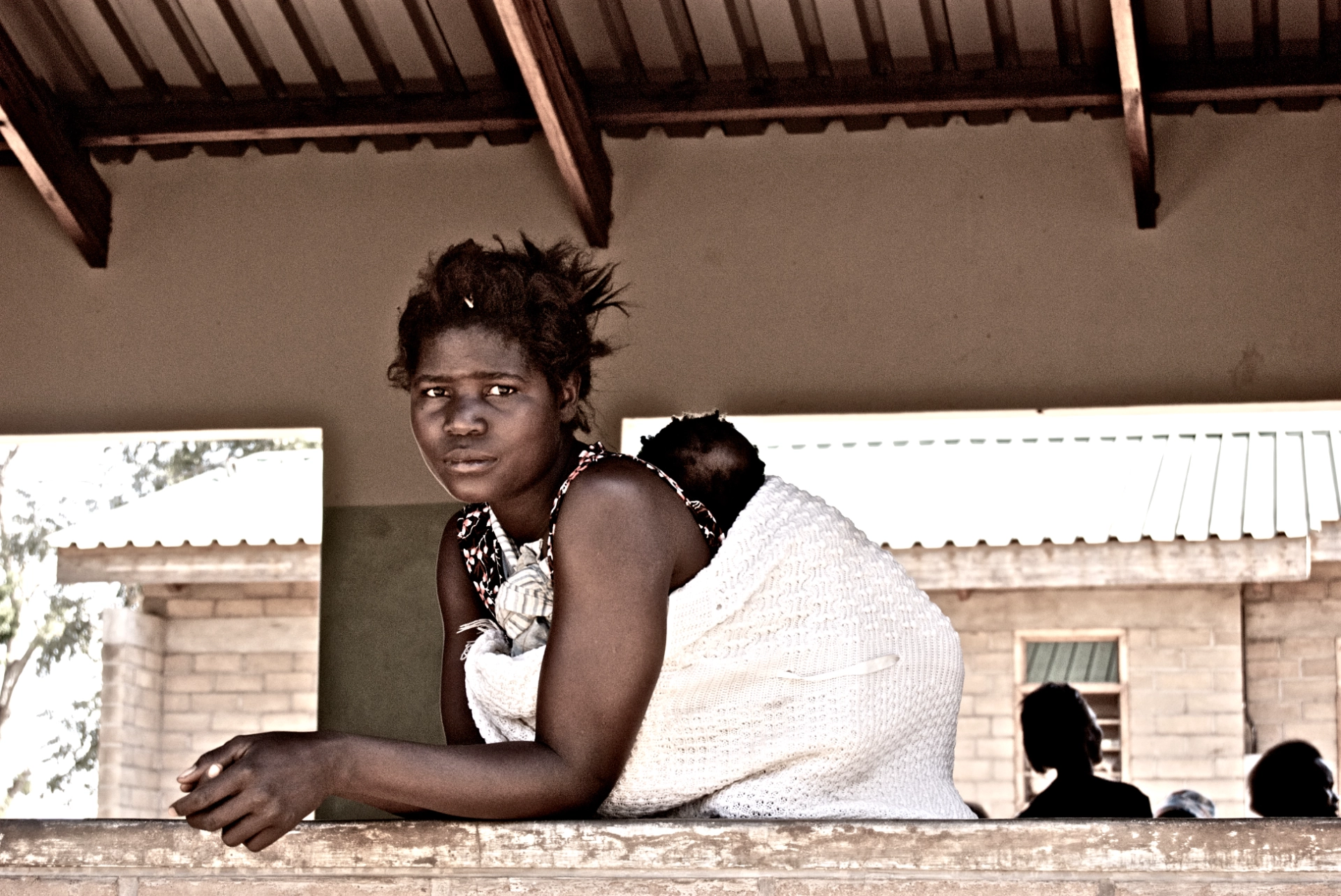
Clinical care alone is not enough.
A health system is only as strong as people's ability to use it — with dignity, and with full knowledge of what they're entitled to receive. Clinical investments cannot deliver results when people are too afraid, too disrespected, or too uninformed to seek and sustain care.
Key Insights
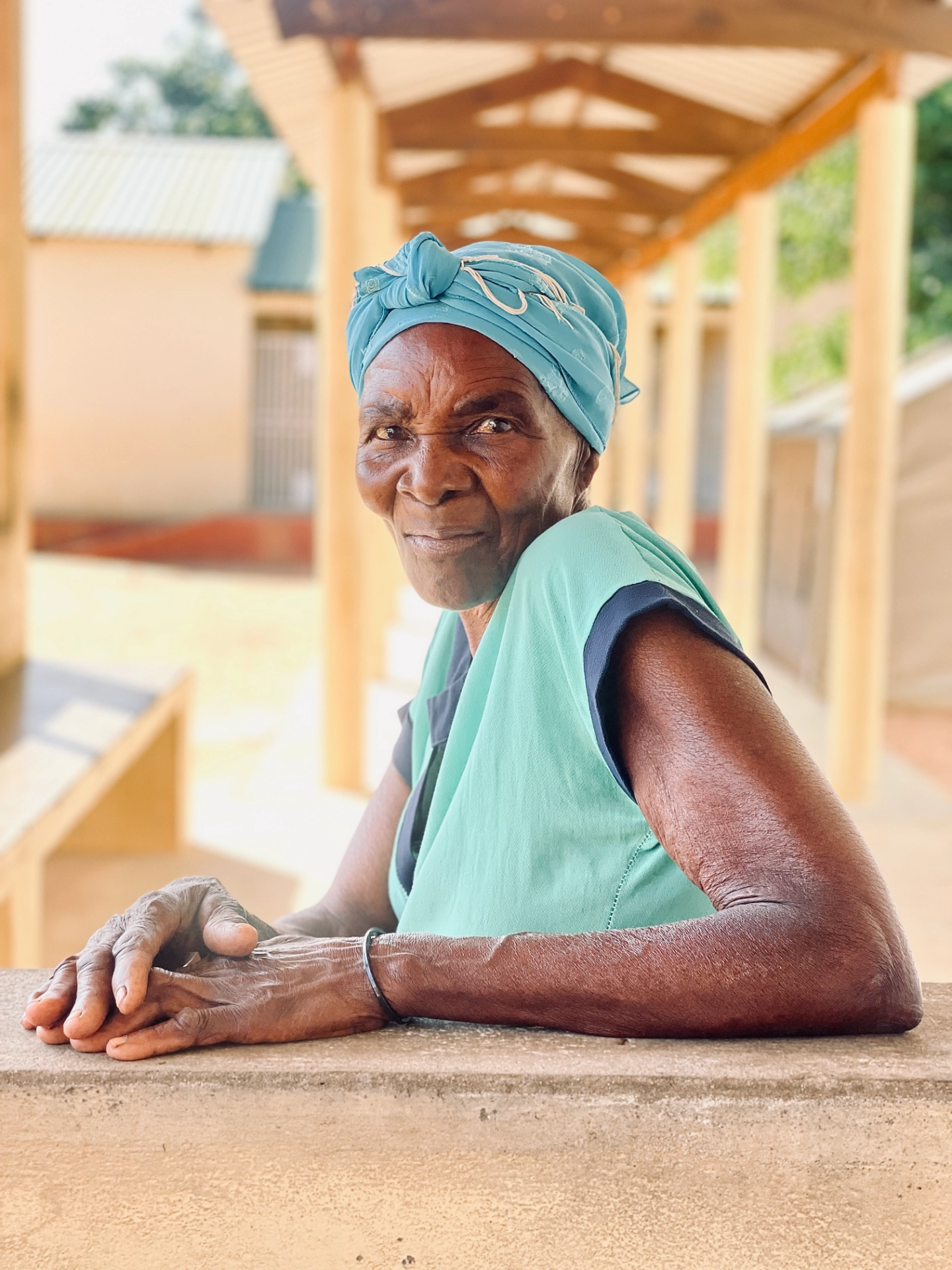
Fear and disrespect don't just push people out of care — they prevent people from seeking it in the first place. And once disengaged, many never return.
Many patients don't know what care they're entitled to — and what you don't know you can't ask for. In under-resourced systems, these gaps are invisible but deadly.
Entrenched power imbalances keep both patients and health workers from raising their voices. Patients fear retribution or being turned away, and health workers, too, fear blame or punishment.
This isn't about patient satisfaction. It's about barriers that cost lives and fall hardest on those with the least power to push back.
Breaches of privacy, mistreatment, and lack of information can mean the difference between life and death.
People living with HIV cite these barriers as primary reasons for abandoning lifesaving treatment. Obstetric violence — and the fear of it — drives women away from safe deliveries and future care. A recent study across four countries found that 42% of women experienced abuse or discrimination during childbirth. The consequences are devastating: every two minutes, a woman dies from pregnancy-related causes worldwide.
Many patients don't know what care they're entitled to in the first place. When people are unaware of services national policy guarantees them — TB preventive therapy, nevirapine and cotrimoxazole for HIV-exposed newborns, or basic diagnostic tests — lifesaving care goes unreceived. In overstretched, under-resourced systems, these gaps are invisible but deadly: patients who don't know to ask, and health workers too overwhelmed to ensure nothing is missed.
The culture of silence runs deep — silencing both patients and providers. Most frontline health workers entered the profession to provide good care — but without the tools, training, and support to make it possible, even the most committed become resigned to a broken system. This isn't about patient satisfaction. It's about removing the barriers that make healthcare inaccessible to those who need it most — and breaking cycles of preventable illness and death among the world's poorest and most marginalized
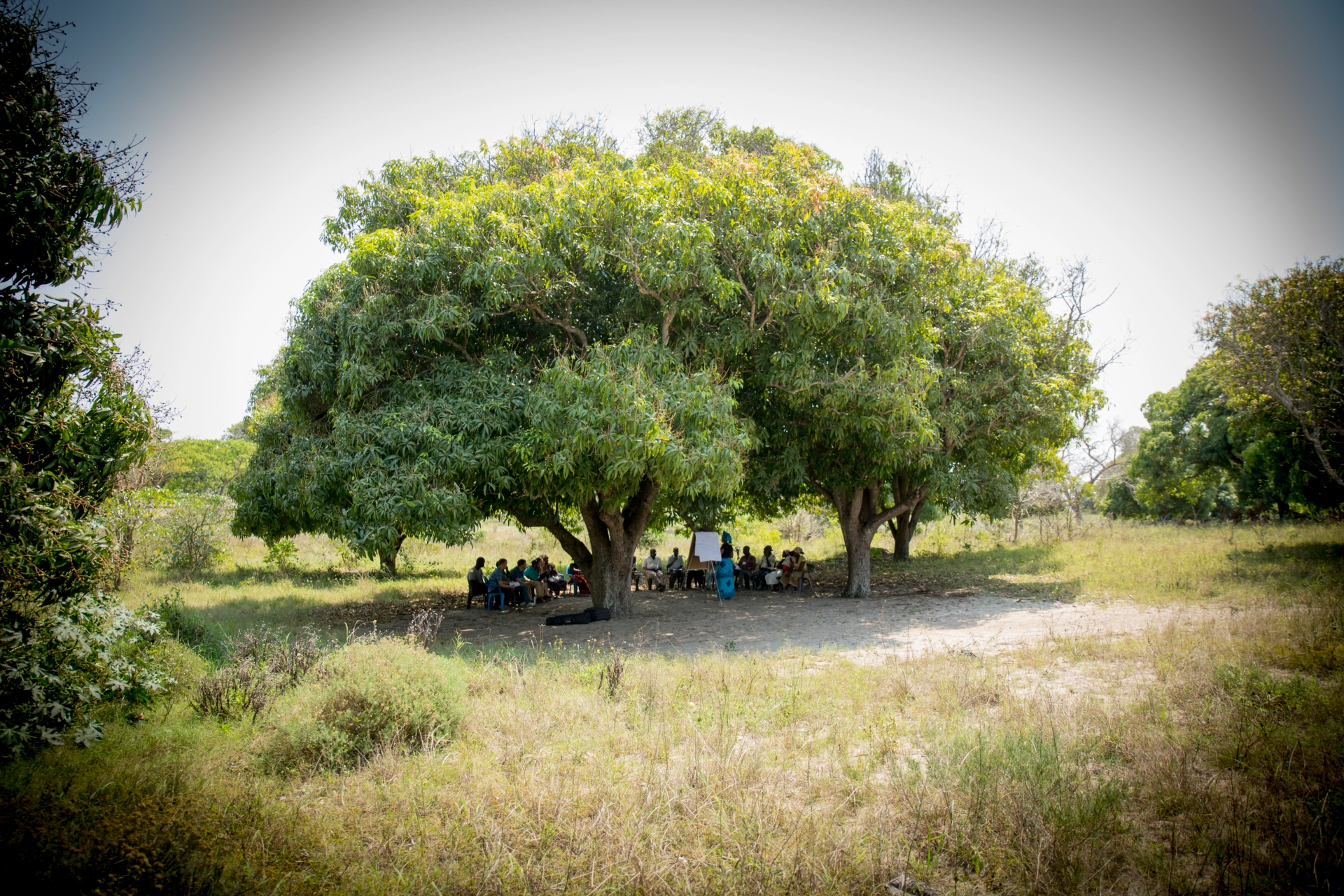

"I was nine months pregnant. When I got to the hospital, the nurse told me I had to pay 1,000 meticais. I didn't have the money, so she left me alone in the birthing room. When she finally came, my baby had already died."
Else, maternity patient
Effective health systems are built on two foundations:
Dignity & Accountability
- People feel safe, respected, and informed
- Communities can raise concerns and be heard
- Health workers supported as agents of change
- Patient experience drives improvements in policy and practice
Clinical Capacity
- Essential medicines & supplies
- Sound clinical protocols
- Basic infrastructure & equipment
- Trained, adequately staffed workforce