.png)
Our Impact

Change happens at every level. Patients access care with dignity.
Health workers are better equipped to deliver quality care.
Communities hold systems accountable in ways they couldn't before.
Results on the ground
We’ve shown that learning from patients’ lived experiences can drive nationwide policy reforms and reshape how services are delivered.
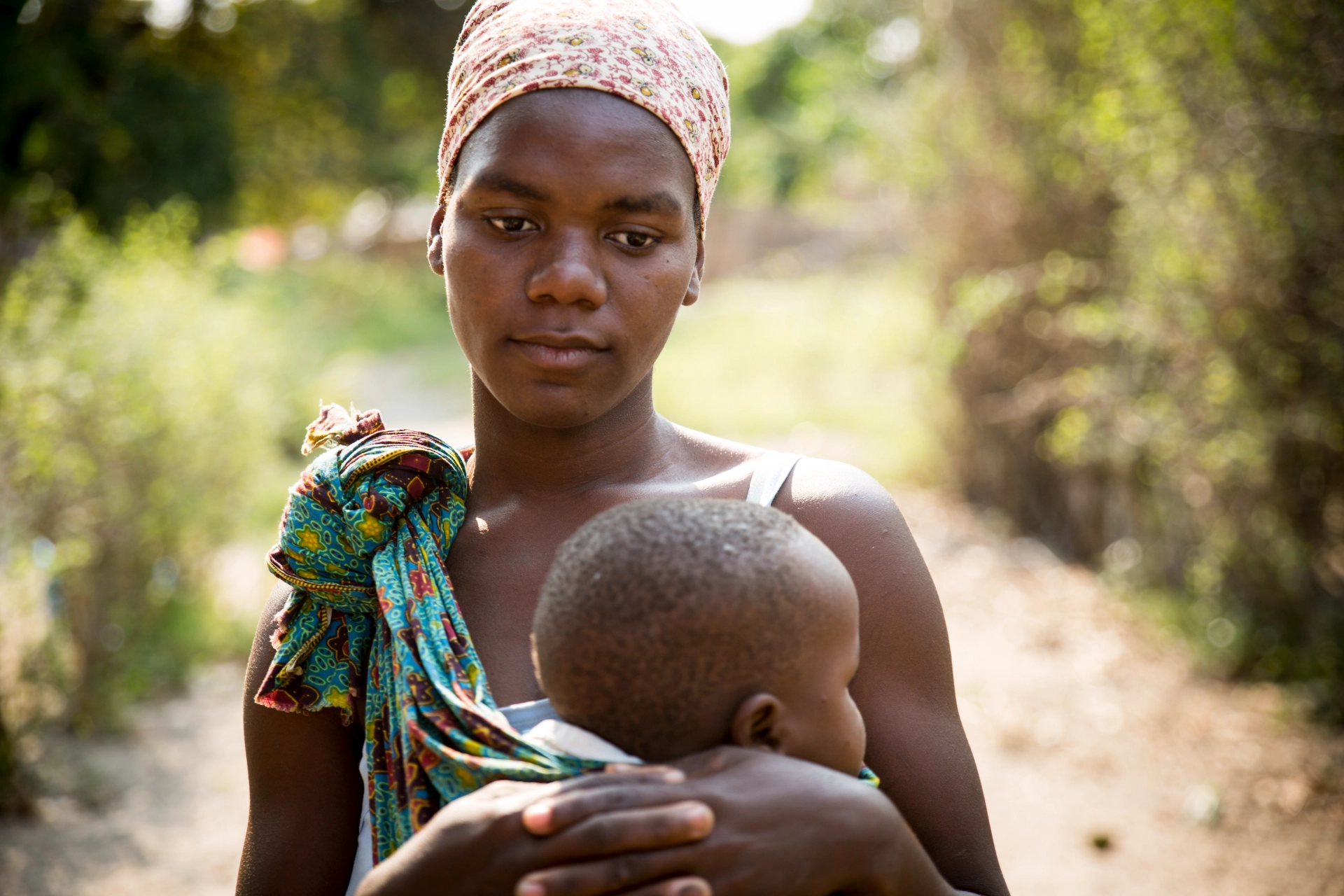
Maternal and newborn health
+26% increase in institutional births at Matimba-supported facilities in the two years after we expanded into Inhambane — more than double the rate at facilities in the same province with no Matimba support.
HIV treatment retention
Breaches of privacy, disrespectful treatment, staff absenteeism, lack of information, shortage of medicines and supplies — these are the barriers that push HIV patients out of care. Our health advocates work alongside health workers and communities to address each one, resolving 84% of the cases they take on.
.webp)
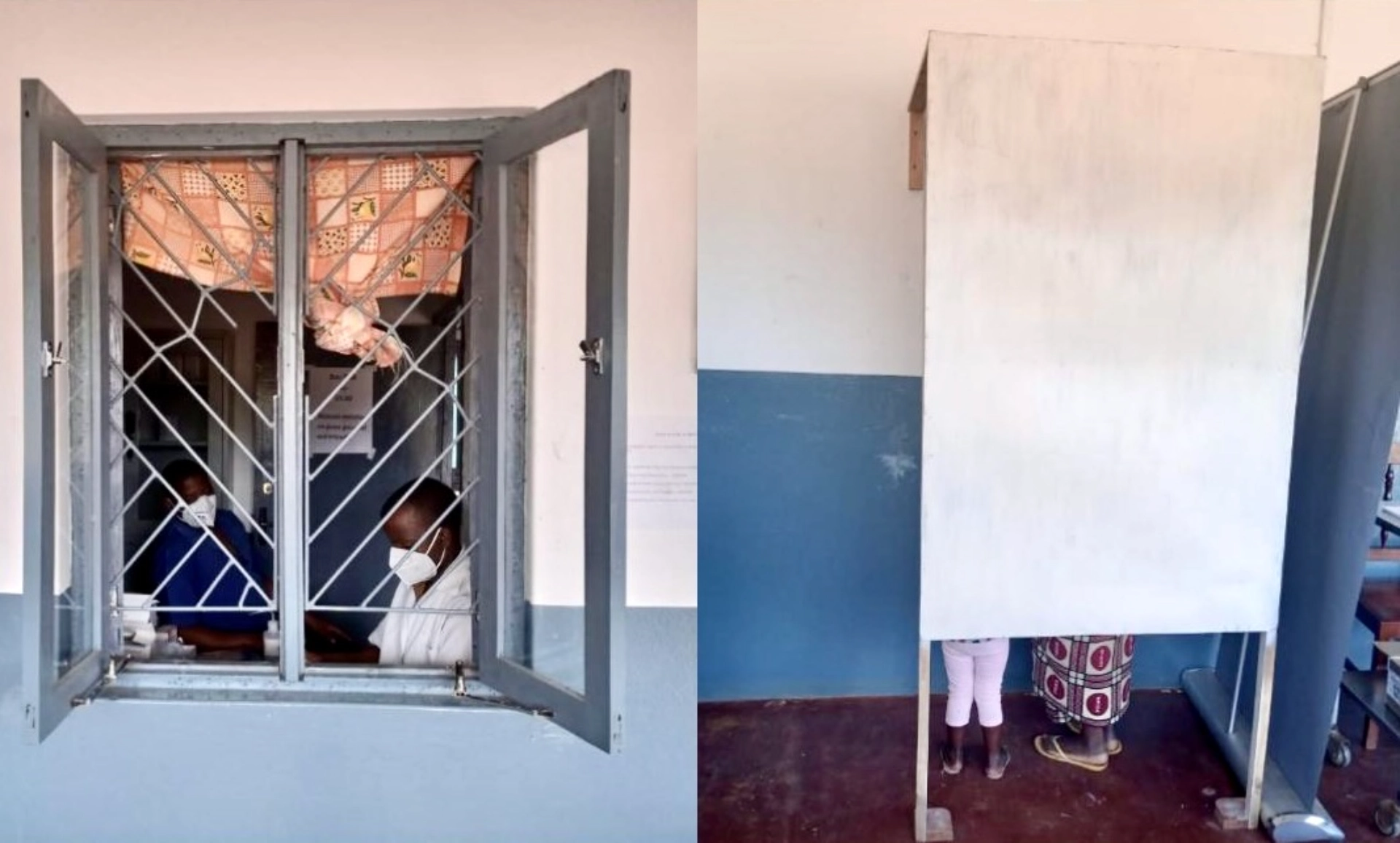
Patient privacy and dignity
Together with Inhambane Province health leadership, Matimba launched a humanization initiative across 144 facilities — with tangible results in just 18 months.
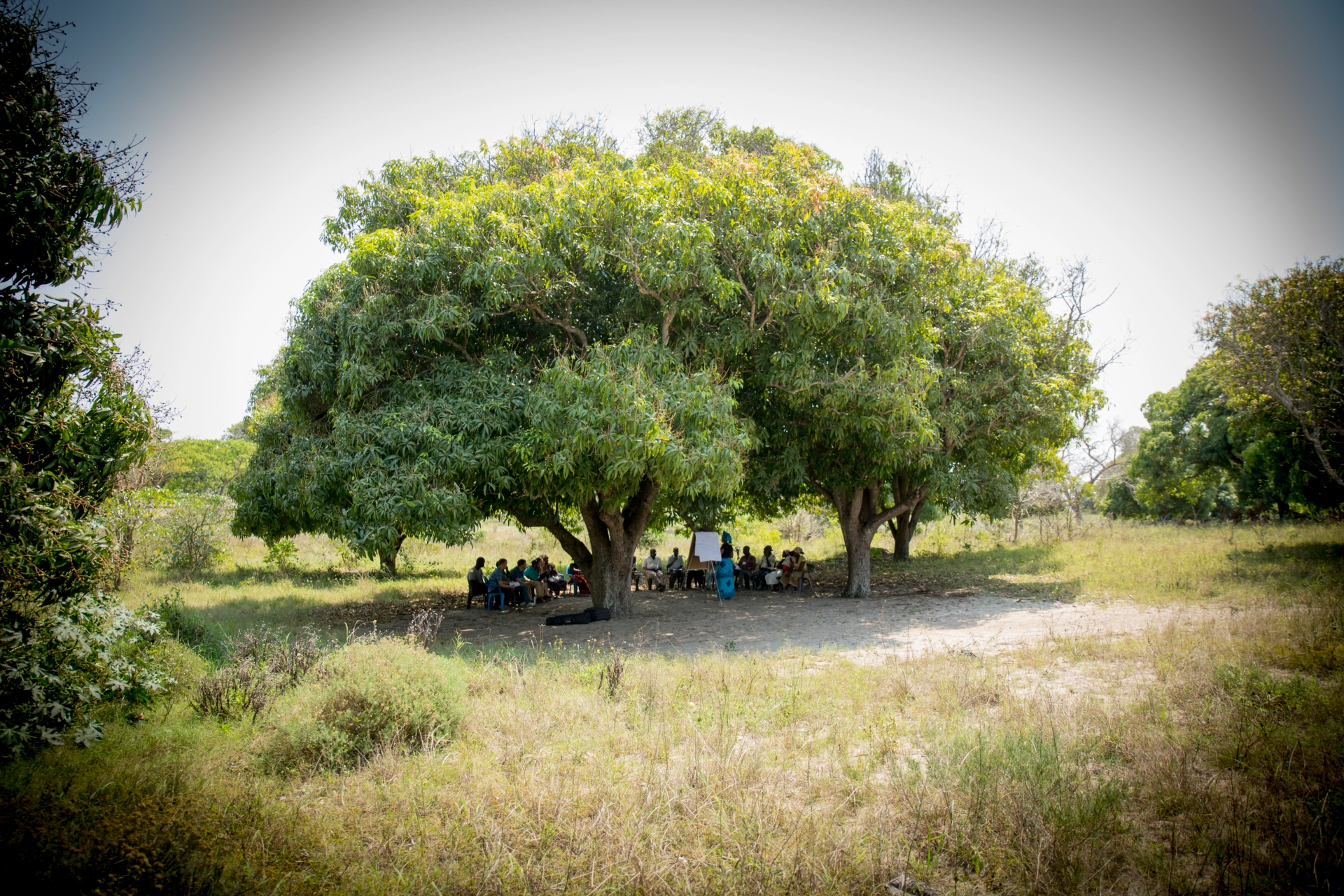
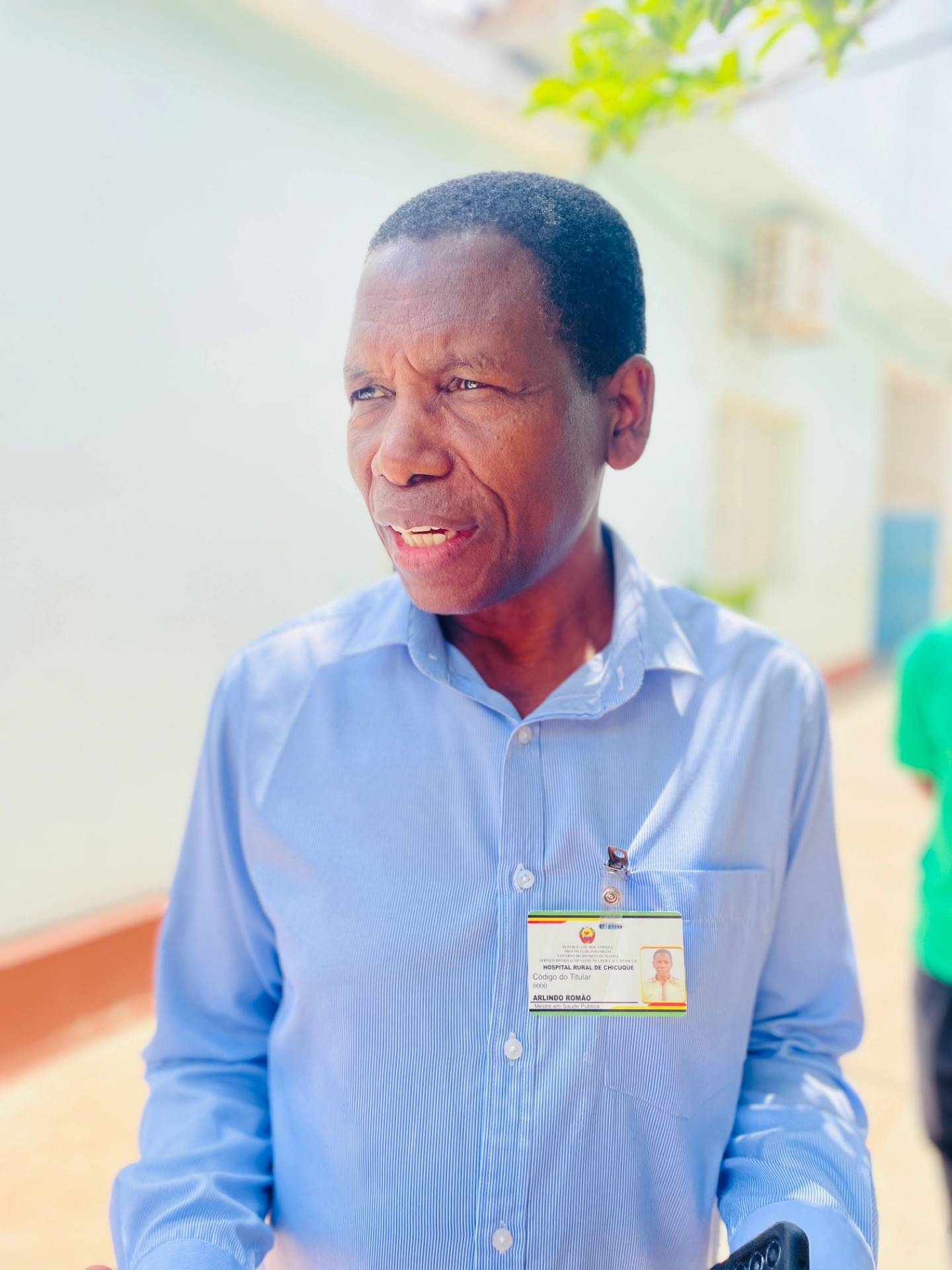
“People used to think doctors were the only ones with power. The most vulnerable weren’t able to speak up or participate in their own health, and they simply stayed away. But together we learned that many challenges — like long delays and lack of privacy — were relatively easy to overcome.”
Dr. Arlindo Romão, Director, Chicuque Rural Hospital
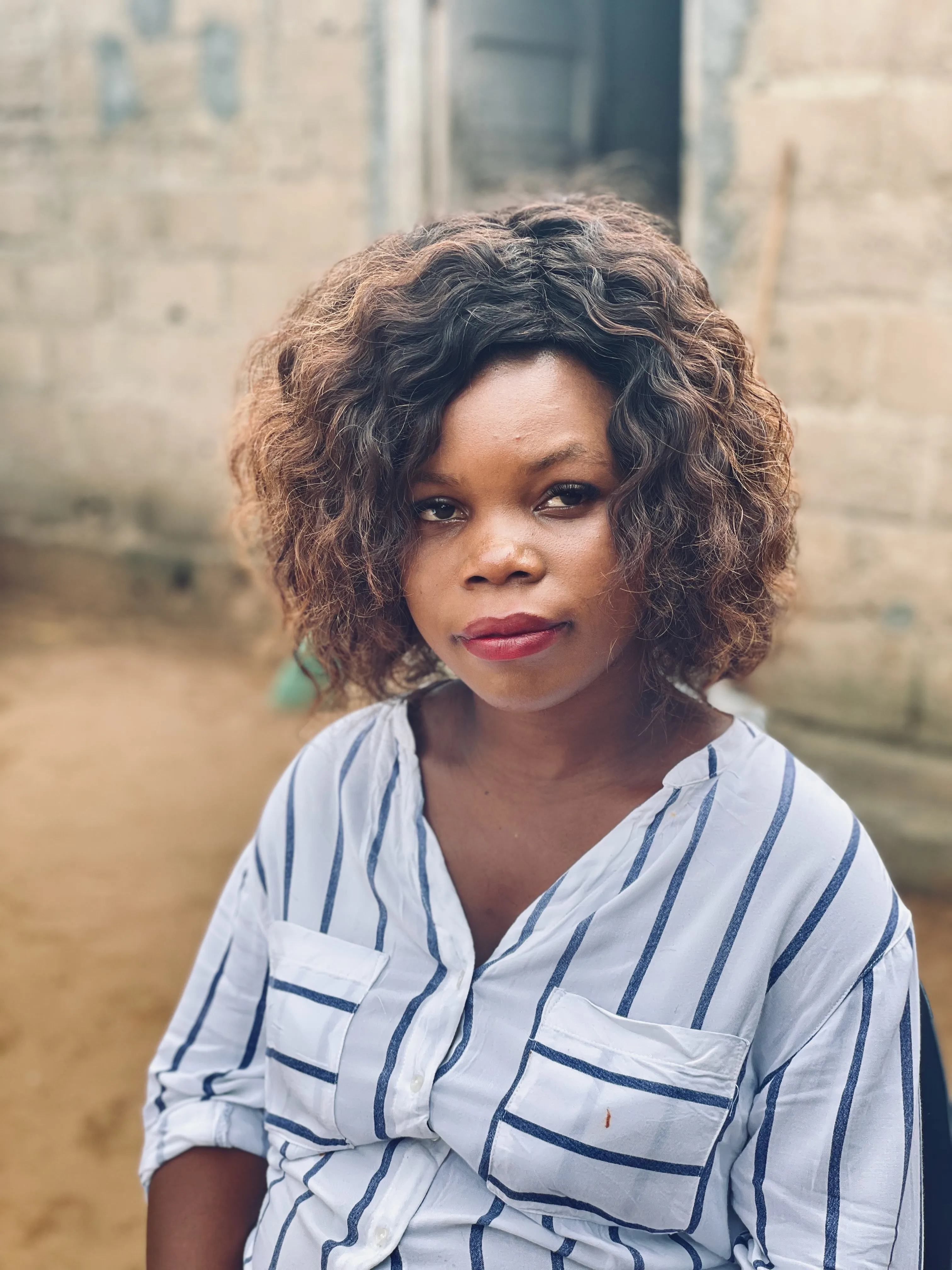
"I was nine months pregnant. When I got to the hospital, the nurse told me I had to pay 1,000 meticais. I didn't have the money, so she left me alone in the birthing room. When she finally came, my baby had already died."
Else, Maternity Patient
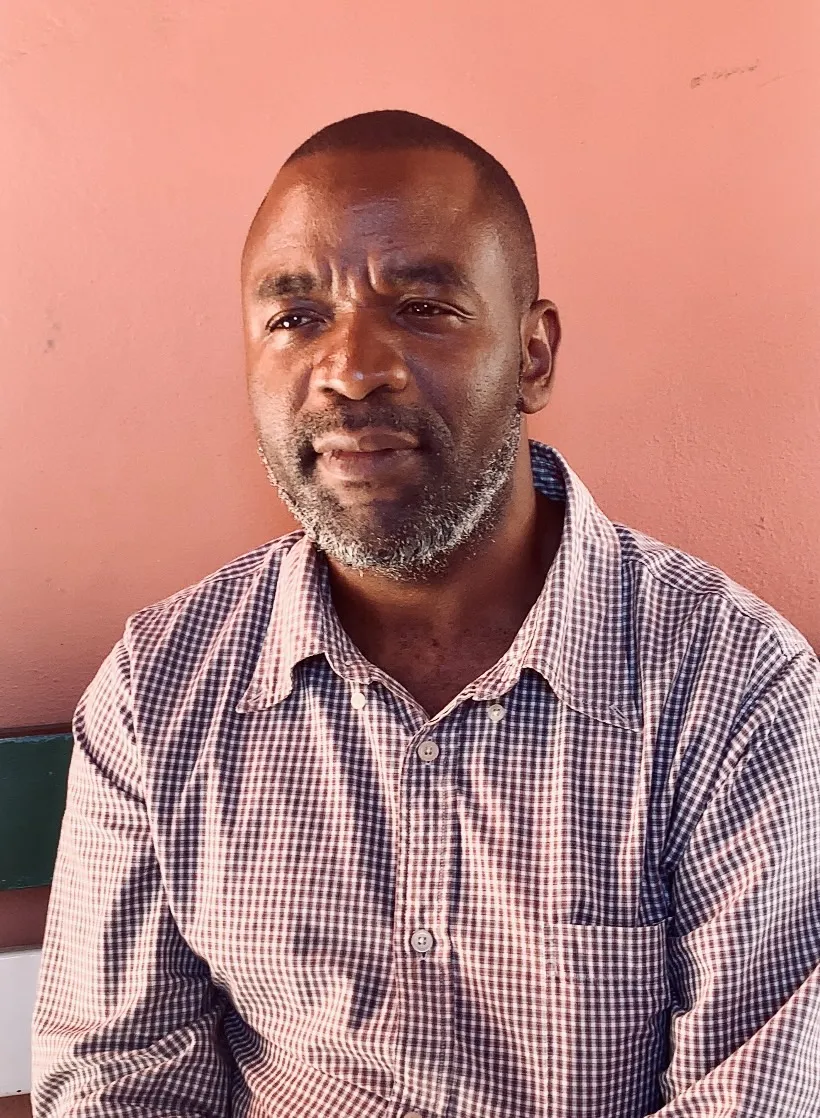
"Our hospital used to be infamous for bribery and illegal fees. In the past health workers didn't really regard patients as individuals with rights. They acted as though they were doing patients a favor. But we've seen a huge change. Now everyone knows that illegal charges aren't accepted here."
Dr. Osório Trigo, Director, Quissico Rural Hospital
When we began this work in late 2012, health rights were not on the national agenda in Mozambique. Entrenched power imbalances between patients and providers had created a culture of silence. Access to dignified care was treated as a favor or privilege, not a right.
That is changing. Health rights are now part of the national conversation, and access to quality healthcare is increasingly recognised as a fundamental human right. This shift has influenced national policy, mobilized donor investment, and strengthened a broader culture of civic participation and accountability.
The progress is visible. Thousands of people now know their rights and feel equipped to advocate for dignified care. Village health committees have evolved from health promoters into active defenders of their communities. The Ministry of Health has institutionalized approaches that this work helped pioneer and is working toward formal legal recognition of health advocates nationwide. More than 80 community-based organizations are now working across the country to hold the health system accountable and advance the rights of the people they serve.
Yet the scale of the challenge demands sustained commitment. Real change means every person in Mozambique can access care with dignity, regardless of where they live or who they are.
What We’re Working Toward
- Patient experience continuously informs health policy and service delivery
- Increased service utilization, adherence, and retention
- Dignity, accountability, and patient rights embedded across government health policies, tools, training, and planning
- A national health justice movement, with communities and health workers collectively driving rights-based care
- A regional network across sub-Saharan Africa co-developing resources and building a diverse evidence base
- Sustained financial and institutional commitments to health justice and dignity from donors, governments, and partners