Their Stories

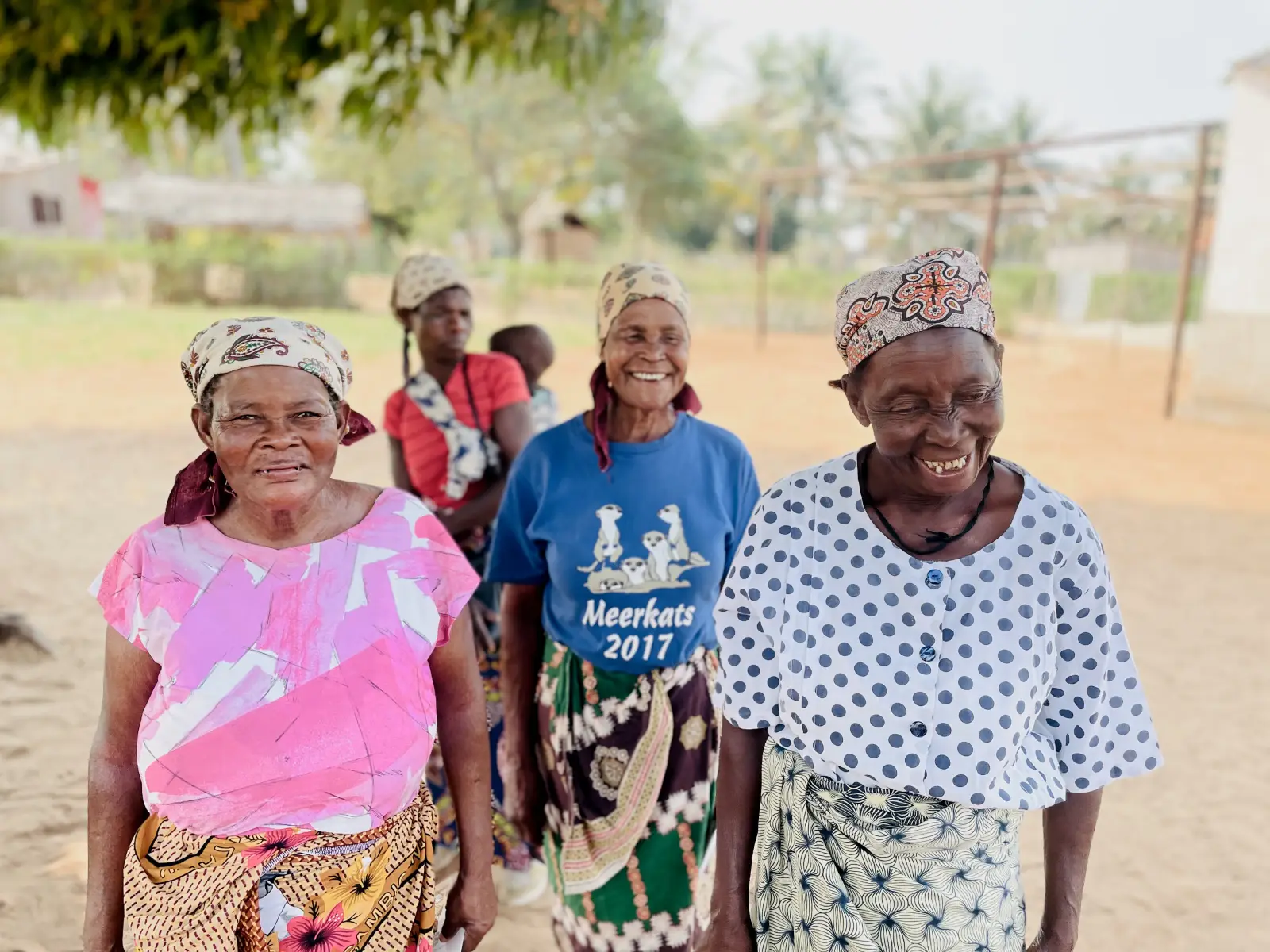
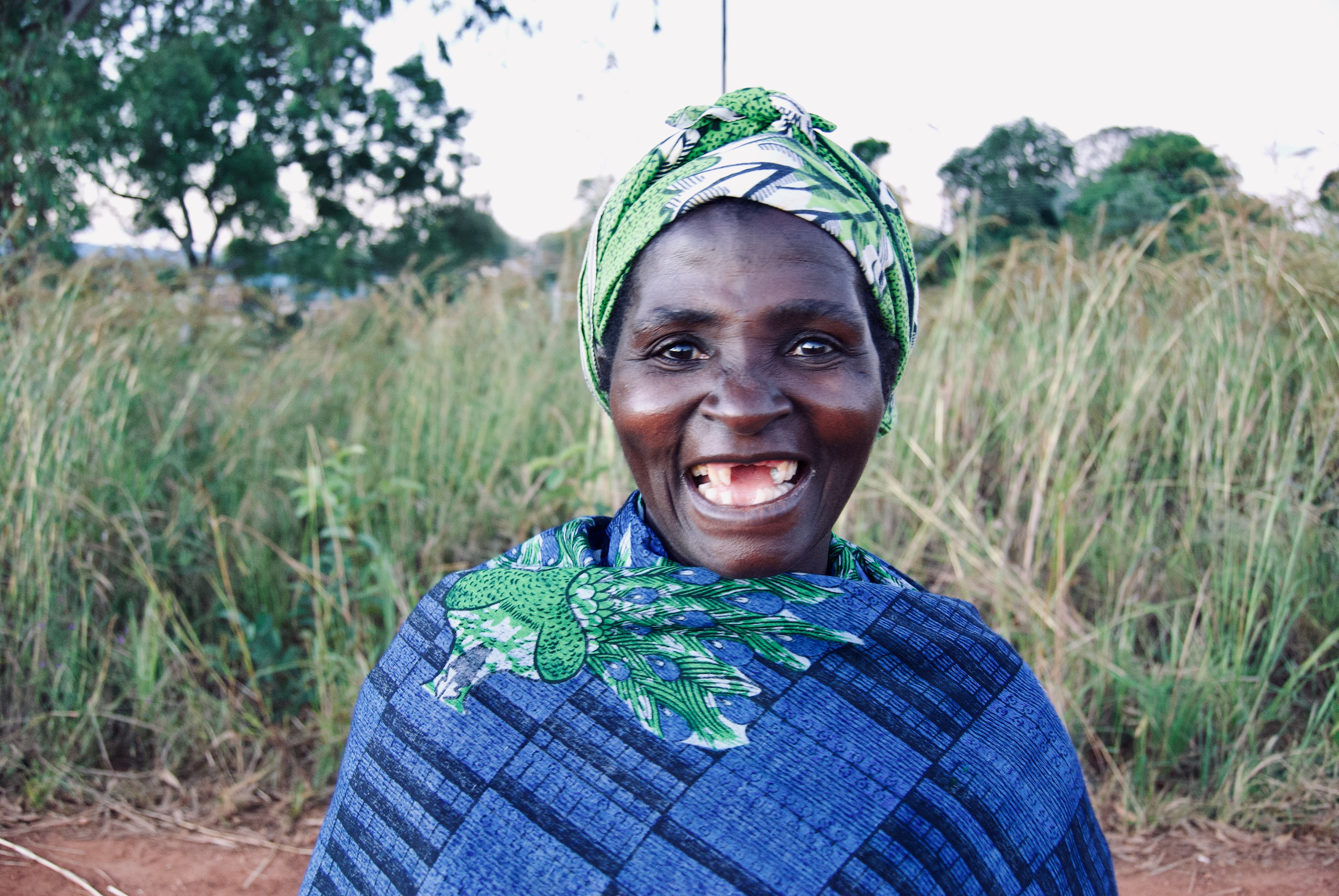
A woman laughing outdoors, wrapped in a green patterned shawlA woman laughing outdoors, wrapped in a green patterned shawl

In Their Own Words

Hear directly from the women and men across Mozambique who have navigated injustice, found solidarity, and raised their voices - many for the first time.

Silvia’s Story

Silvia suspected she had HIV. She was ready to face the result — but not the risk of being seen.

Else's Story

Else was charged an illegal fee during labour. When she couldn't pay, she was left to give birth alone.

Avelino’s Story

When there was no privacy at the clinic, people in Avelino's community stopped coming for HIV treatment. Many died as a result.

Stories of Change

Behind every resolved grievance is a person who refused to stay silent, an advocate who walked alongside them, and a health worker committed to dignified, quality care.
These are their stories.

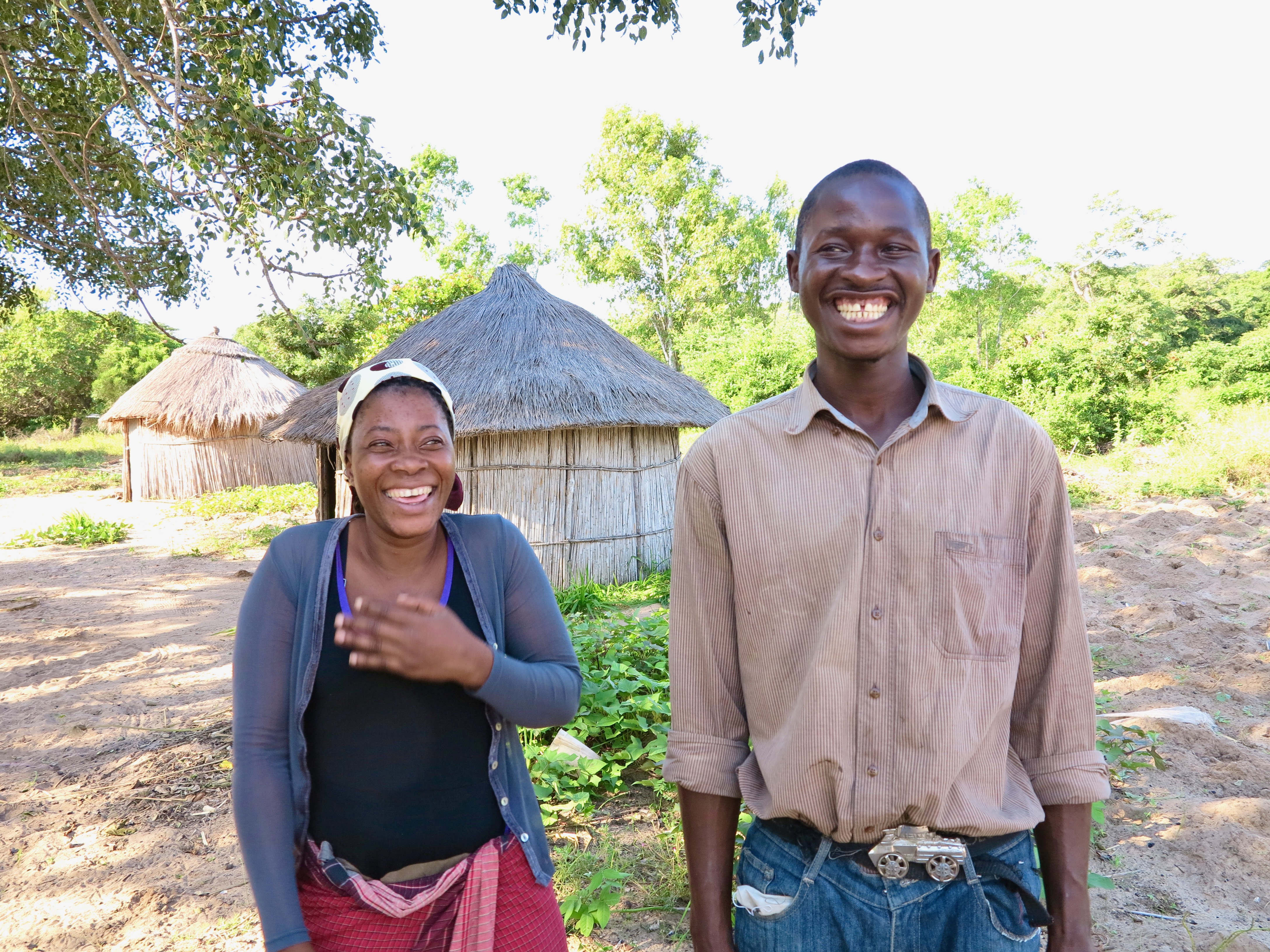
A woman and a man laughing together outside thatched homes

Closing a Deadly Gap: How Patient Voices Restored TB Screening at Ndlavela Health Center

A dangerous gap in TB screening came to light through patient feedback at Ndlavela Health Center — and within weeks, over 1,000 people had been screened, catching cases that may otherwise have gone undetected.

5
 min read
Read Story

In April 2025, patients on antiretroviral treatment at Ndlavela Health Center revealed a dangerous gap: they were not being screened for tuberculosis. For people living with HIV, this is not a minor oversight — TB is the leading cause of death among people living with HIV worldwide, and without early detection, it can progress rapidly and silently. By missing routine screening during consultations, the facility was unknowingly leaving its most vulnerable patients exposed to a preventable death.

“I’ve been receiving treatment at this hospital for years, but I’ve never been screened for tuberculosis. That worries me deeply, because people with HIV are at high risk of contracting TB. It’s frightening to think I could have the disease without knowing it—and without receiving treatment. We already live with so much stress, and knowing that something so important was overlooked makes you feel abandoned and frustrated.”
Patient, 45 years old, resident of Ndlavela neighborhood

To address this challenge, the health advocate and members of the village health committee held a meeting with the health facility’s management, HIV clinicians, and the medical records team. As a result of this meeting:

  • Patient file review: Clinicians, supported by the records team, were instructed to randomly review patient records that lacked confirmation of TB screening and to add a reminder note flagging the need to conduct screening at the patient’s next appointment.
  • Waiting area interviews: The records team was instructed to conduct informal interviews with patients in the waiting area to identify those who had not yet undergone TB screening.
  • Clinical protocol training: The HIV focal point conducted training on the national HIV care and treatment protocol, emphasizing the essential services to be delivered at each consultation — including TB screening.

These efforts produced rapid and measurable results. According to the latest update from the ART committee at the facility, more than 1,000 patients received TB screening between April and June 2025. Monitoring visits conducted by the health advocate and health committee members confirmed that patients were receiving TB screening consistently during their consultations.

“Hearing this from patients was a wake-up call. We didn't hesitate — TB screening for patients on ART is non-negotiable, it protects lives. We're grateful patients spoke up, and we're committed to making sure every person who walks through our doors receives the full care they're entitled to.”
Dr. Carolina Vasco, HIV Focal Point, Ndlavela Health Center
Access
A woman and a man laughing together outside thatched homes

When Lack of Basic Dignity Is a Barrier to Lifesaving Care

Lack of sanitation prevented patients from accessing care.

5
 min read
Read Story

Across five health centers in rural Jangamo District, patients faced an impossible situation: facilities either lacked functioning toilets entirely or had toilets so unsanitary they were unusable. This forced people to relieve themselves outdoors, creating profound embarrassment that drove some patients - particularly those with chronic illness - away from essential care.

[[scrollquotes]]

Through a series of advocacy meetings, the team secured a commitment from District Health Director Carlos Simango to address the crisis. Within months, new public toilets were constructed at Jangamo, Ravene, and Mutamba Health Centers - benefiting thousands of patients across the district.

Manuel reflected: "Today, everybody is comfortable. After seeing this issue resolved, I felt relieved - not just for myself, but because the benefit reached the whole community. Speaking up was good for a lot of people."

Manuel's experience sparked a transformation. In the months that followed, he became a passionate advocate for patient rights, joining the village health committee and sharing his story before 150 attendees at a national health forum in the capital.

Dignity
A woman and a man laughing together outside thatched homes

A Mother Empowered

Outdated policy denied a child life-saving treatment.

5
 min read
Read Story

October 2015

The quickest way to get to the village of Matimani, a few hours north of Maputo, is through the giant Marragra sugar cane plantation. You drive past the four-story white buildings of the processing plant and down onto a 100km-square plain of green rectangles. The grid-order of the South African-owned estate is in some contrast to the haphazard beauty of the rest of rural Mozambique.

Once over a gray girder bridge that crosses the meandering Nkomati river, you pass yet more sugar and when you leave the plantation, come to a low line of sandy hills. Following a track at the base of the hills, you glimpse traditional round houses and out-buildings between the trees, while on the flatlands to your left cattle are grazed by small boys – some of whom find a place for a swim. It is the wet season and flooding has been widespread in coastal Mozambique.

Matimani is a collection of scattered family homesteads – each comprising several buildings – about 23km from the district town of Marracuene. We are here to meet with Namati Moçambique’s local health advocate Hortência Alange, who emerges from a tiny house in a deep red headscarf.

Hortência takes us a short distance to meet Angelina and her young son Bento. Angelina lives in a shady clearing within a smallholding of tall corn. Amid low fruit trees, there are three traditional conical-roofed cane buildings and a partially-built concrete block home-to-be. One of the reed buildings, where Angelina sleeps with her husband, has a heart painted on it. The corn rustles in the breeze and birds call. It is a quiet, peaceful place to live.

Angelina was born in the village, but this homestead, with its three hectares of arable land, belongs to her husband’s family. At 27, Angelina has three children, aged eight, six and two-year-old Bento. The older children go to a local primary school, but there is no secondary school within walking distance. Angelina herself had to live away during the week when she went to high school in Marracuene. They are subsistence farmers, but yields are down because of persistent flooding. “We now have to cut trees to make charcoal and sell the charcoal at market to buy food,” says Angelina. “Things are not growing well because of the rain.”

Angelina first met Hortência at the health clinic. “I had taken my son there in September 2014 because he wasn’t eating, he was weak, had lost weight and had stopped speaking. I was waiting in line when I heard Hortência giving a talk about health policies and health rights.”

Angelina’s nearest clinic is a two-hour walk away. A long way for a slight woman like Angelina to carry a sick 17-month old child. We are only 80km north of Maputo, but the scattered nature of life in rural Mozambique is already apparent. This giant country stretches another 2,300km north – with a population of only 25 million.

On her first day at the clinic, Angelina and Bento were tested for HIV, and the results were positive. HIV is an epidemic in Mozambique, with 11 percent of the adult population infected. An estimated 150,000 children under the age of 14 live with the disease. Despite significant advances in addressing under-five mortality in recent years and expanding treatment for people living with HIV, Mozambique’s medical system is painfully stretched.

CD4 is a type of white blood cell that plays a major role in protecting your body from infection. HIV attacks and destroys CD4 cells. In the past only young children with a CD4 count of under 350 were given ARV treatment in Mozambique, so Bento seemingly did not qualify. He received no treatment – as Hortência discovered on a home visit in October 2014. Research shows that in developing country settings, 50 percent of HIV-positive children under-two die if they do not receive treatment.

But Hortência knew that government policy and the treatment protocol for young HIV-positive children had changed. Bento should have been given medicine immediately.

Hortência went with Angelina to see the HIV counselor at the clinic. The counselor had no idea that the national protocol had changed. Hortência then called the medical director of the district hospital – and within two days an HIV clinician visited the clinic, briefed all staff on the new policy and put up a poster informing patients of the changes.

Bento started his treatment in October. “He’s getting better,” says Angelina, as he sleeps in her arms. “His weight has come back, he eats well now and is speaking again.”

Hortência knew that if Bento had been refused treatment, it was possible that other children who visited the health facility had too. She went back to the clinic’s records and with the head nurse found eight more children under the age of five who should be getting the life-saving medicine. She then worked with the local village health committee to track down the families and get them into the clinic for treatment. All of them are now receiving ARVs.

Hortência has also continued her outreach, talking on community radio about the children’s protocol and other health rights, and combining house visits with outreach at the clinic. Despite living some of her week in a former village store – sleeping on the floor behind the old grocery counter – Hortência is enthused by being a health advocate: “I love my work in the community,” she says as she beams a 1,000-watt smile. “This work inspires me.”

As for Angelina, the fact that she spoke to Hortência at all is a big win. A culture of silence still pervades HIV status in rural Mozambique, and before befriending the health advocate Angelina says she would never have demanded tests for herself and her children. “I was really worried,” she says. “But I didn’t know what to do. I thought it was normal to just wait. But now I have told my family and friends about the story and about Hortência. I have spoken about it in the community.”

HIV care
A woman and a man laughing together outside thatched homes

Tackling Age Discrimination in Healthcare

Elderly patients were neglected despite policy protections.

5
 min read
Read Story

In 2016, Namati health advocate David de Conceição Saúte began hearing troubling reports from elderly patients at a busy health center in Inhambane Province. Despite the Ministry of Health’s policy prioritizing elderly care, many older patients were being neglected or mistreated.

71-year-old Rosita’s story was all too familiar: "We were treated poorly. We were forgotten. I'd leave my house at 4:30 a.m. to reach the health center by 6:00 a.m., but often I wouldn’t be seen until 11:00 a.m. They had no respect for us. They would say, 'You're practically dead. Why are you here? You're just taking up space.'"

David witnessed this mistreatment firsthand, recognizing the dangerous consequences. Elderly patients subjected to long waits and cruel remarks were often discouraged from seeking future care, endangering their health and wellbeing.

David partnered with the village health committee to launch a multi-pronged response. They organized sensitization sessions for health workers, helping them understand not just the policy requirements, but the medical reality: elderly patients often have complex, urgent needs that worsen rapidly without attention.

They went door-to-door, educating older community members about their rights – that health policy was on their side, that priority care wasn't a favor but an entitlement. They held public talks at the health center.

But their most transformative intervention was disarmingly simple: they advocated for a dedicated bench, clearly marked for elderly patients and those who are critically ill. This straightforward solution made it easy for health staff to identify priority patients and ensure they received timely care.

Wait times for elderly patients dropped dramatically, and complaints of mistreatment virtually disappeared. The health center's leadership took notice. If something so simple could transform care quality, why not expand it?

They introduced the dedicated bench system to surrounding health centers across the district. What began as one advocate's response to one patient's suffering became standard practice throughout the region.

Today, more elderly patients like Rosita are receiving the care they deserve. The bench remains, a quiet testament to a fundamental truth: dignity requires minimal investment but makes all the difference.

Access
A woman and a man laughing together outside thatched homes

I Was Watching Him Die Before My Eyes

Denied testing nearly cost Elias his life.

5
 min read
Read Story

Elias felt his strength draining away. For days, the 29-year-old's muscles ached and exhaustion overwhelmed him as he tried to tend his fields. Elias lives in Mucizo, a rural village in Southern Mozambique with neither electricity nor running water. His mother, Amelia, was born just a few meters away from where their house – a small cane structure – now stands.

Suspecting malaria, Elias walked over three hours to the nearest health center—only to receive a negative test and a small packet of paracetamol. As weeks passed, Elias rapidly lost weight and grew chronically exhausted. His mother Amelia watched in horror. “I felt as though I was watching him die before my eyes,” she recalls, urging her son to get tested for HIV.

But the health system failed him repeatedly. On his second visit, another negative malaria test. On his third trip — when he specifically requested an HIV test — the nurse turned him away, claiming it was too crowded.

The 36-kilometer round trip was now impossible for Elias's weakened body. He suffered constant diarrhea and felt powerless, with nowhere to turn for help.

A neighbor suggested approaching Hortência, the health advocate serving the area. When Hortência explained that the health center should offer HIV tests daily, Elias was reluctant to face another rejection. So she offered to accompany him. Together, they spoke with both the head nurse and the nurse who had turned Elias away. That same day, Elias finally received his HIV test. It came back positive, and he immediately began antiretroviral treatment.

Just over three months later, Elias' transformation is remarkable. His strength has returned, his smile broad and beaming. “It was so good to have an answer, to understand why I felt the way I did,” he says. “I was finally able to get treatment and to have my life back.”

Hortência continues monitoring the facility to ensure no other patients face Elias's ordeal, while providing ongoing support to staff and the village health committee.

HIV care
A woman and a man laughing together outside thatched homes

Abused While Giving Birth

Mistreatment during childbirth in one community drove women away from care.

5
 min read
Read Story

Alcina has lived her entire life in an isolated coastal village in Mozambique’s southern region, without access to electricity, running water, or transport. She gave birth to her three children at the local health center – a 17km trek from her home. 

Within moments of each delivery, she was forced to get out of bed and fetch water from the borehole to wash the soiled sheets. “When my daughter was born last year, the nurse and the cleaner didn’t treat me with courtesy,” recalls Alcina. “I was treated very badly. I was insulted, and when I complained that I was in pain, the cleaner told me to lie back down, and then she slapped me on the face.” 

Alcina’s experience wasn’t unique. "Many women didn’t want to go to the health center. They preferred to give birth at home.” The first two times she gave birth, she and other mothers felt powerless—unsure of what to do when things went wrong.

[[scrollquotes]]

Alcina approached Carlota and several committee members and told them about her experience. They went to speak with Leonor, the cleaner in question. She denied having slapped and mistreated her patient. Several weeks later, the committee invited Leonor, the head nurse, and a community leader to a meeting to discuss the incident and the potential impact of such behavior on maternal and newborn health. It was then that Leonor finally acknowledged her wrongdoing. 

Over the following months, Carlota and the health committee kept a close watch on Leonor's behavior. The change was profound. An elder from the community shared, "Leonor has really changed. The way she talks to patients is different. She used to berate everyone, but now she treats people well. Since Hortência arrived, we've learned how to stand up for our rights, and things are improving."

The impact of this shift was evident. The head nurse reported that births at the facility had surged—from just 2 births per month to 12-15 - slightly above the national average for rural areas of its size. The maternity waiting house, once empty, now regularly welcomes expectant mothers.

Dignity
A woman and a man laughing together outside thatched homes

Half-Filled Prescriptions: How One Patient’s Complaint Sparked Pharmacy Accountability

Incomplete prescriptions endangered patients.

5
 min read
Read Story

When Marizinha arrived at the crowded health center pharmacy in Inhambane Province on a cool June morning, she handed over her prescription with relief. Managing diabetes required discipline, and she needed these pills—all 60 of them, a full month's supply.

The pharmacy technician counted out the tablets and slid them across the counter. Marizinha tucked the packet into her bag and headed home. It wasn't until later that day that she realized something was wrong. She had only 30 pills – half of what the doctor had prescribed. “The pharmacy assistant acted like he had given me everything, and I trusted him”, Marizinha recalls. For a diabetic patient, running out of medication halfway through the month wasn't just inconvenient – it was dangerous.

That same morning, David, a Matimba health advocate, was leading a community health education session nearby. When Marizinha approached him with her pill bottle and prescription, he immediately recognized the problem.

David gathered several members of the revitalized health committee and returned to the pharmacy with Marizinha. The evidence was clear: the prescription specified 60 pills, and the pharmacy container itself was marked “certo”—Portuguese for “correct” – indicating the full prescription had supposedly been dispensed.

“We had everything right there in front of us,” David recalls. “The prescription, the medicine, and the container saying it was complete.”

Confronted with the discrepancy, the pharmacist admitted to the error but insisted it was simply miscommunication. The pharmacy had adequate stock, he explained, but staff were rationing supplies in anticipation of a possible future shortage.

David wasn't convinced. Neither was the health committee. This wasn't the first complaint they'd heard. Over recent weeks, multiple community members had reported receiving incomplete prescriptions. The pattern raised a troubling question: were medicines being deliberately withheld for resale on the black market?

The health committee president addressed the pharmacist directly and firmly: “This is happening too often. If there's truly a stock shortage, you must refer patients to another facility or report it officially. What you cannot do is send diabetic patients home with half their medication and no explanation.” The pharmacist apologized and immediately gave Marizinha her remaining 30 pills.

But David and the health committee knew that one resolved complaint wouldn't fix a systemic problem. They established a new routine: regular visits to the health center, where they speak with patients leaving the pharmacy.

“We ask simple questions,” David explains. “Did you receive everything on your prescription? Were you told what to do if something was missing?” These brief conversations have created accountability. Patients now know someone is watching, and pharmacy staff know the community is paying attention.

Since implementing this practice, not a single similar complaint has been reported. For Marizinha, the intervention meant more than just getting her full prescription – it meant knowing that her community was looking out for her health, and that the next patient wouldn't face the same potentially dangerous situation.

Access
A woman and a man laughing together outside thatched homes

A Simple Folder, A Life-Saving Change: Protecting HIV Patient Privacy

For HIV patients at one Maputo clinic, a simple administrative practice was forcing a choice between dignity and treatment.

5
 min read
Read Story

In April 2023, a community listening session at Chamanculo Health Center uncovered a troubling breach of confidentiality. HIV patients shared that while other patients were discreetly called using simple ID cards, they were summoned using distinctive clinical files – exposing their status to everyone in the crowded waiting room.

This practice forced an impossible choice: publicly reveal their HIV status or risk being marked as a "no-show" and potentially losing access to life-saving antiretroviral treatment. Faced with this dilemma, many patients chose silence to protect their privacy – inadvertently compromising their health and treatment continuity.

The situation illustrates a critical yet often overlooked reality: seemingly minor administrative practices can create insurmountable barriers to care, forcing vulnerable patients to choose between dignity and survival.

“I am very saddened by the lack of confidentiality regarding our treatment at Chamanculo hospital. There is no confidentiality... They open our files and start calling patients in a room where there are many people who go to different appointments. Sometimes a neighbor or family member is there. How will the person feel when called?  So this situation does not make us comfortable continuing with treatment, and sometimes we prefer to remain silent when we’re called for fear of the neighbor or family member knowing our status.”
Sílvio, resident of Maxaquene neighborhood

To address the confidentiality concerns, the health advocate and members of the health committee met with the HIV focal point at the facility, who committed to working with peer educators and counselors to find a solution. 

The issue was escalated to the district-level advocacy group – a coalition of patient advocates and health committee representatives. During discussions, members shared best practices from other facilities, including a simple yet powerful solution: using folders to conceal clinical documents in waiting areas.

Namati's health advocate brought this strategy to the HIV focal point at Chamanculo Health Center, who immediately implemented it. The results were transformative. This straightforward administrative change protected patient dignity while significantly improving both treatment adherence and retention rates – proof that small adjustments can have life-saving impacts.

The success story also highlights the multiplier effect of peer learning. When health facilities openly share what works, proven solutions can spread rapidly across the system, amplifying benefits far beyond a single site.

“We’ve seen that the health facility has improved in terms of patient adherence to antiretroviral treatment. In the past, patients were called from the waiting room with their clinical records visible, so that patients who were there for routine adult consults noticed that others who were called with special documents were undergoing HIV treatment... which was very uncomfortable. Together – some of our staff along with the health advocate and health committee - decided that we should conceal the clinical processes using a folder.  This initiative has brought significant results in that we have improved confidentiality and have reduced cases of patients missing appointments as some chose not to respond when called and consequently missed their appointments.”
Cleta Guisseve, HIV Focal Point, Chamanculo Health Centre
Privacy
A woman and a man laughing together outside thatched homes

Restoring Privacy and Trust: Community Advocacy Transforms Care at Chicuque Rural Hospital

Lack of privacy drove patients away from care. A new consultation room restored dignity and trust.

5
 min read
Read Story

As the reference health facility for Maxixe District and the second-largest hospital in Inhambane Province, Chicuque Rural Hospital serves thousands of patients seeking essential care. Yet since September 2017, a critical problem was driving patients away: the lack of privacy during medical consultations.

Due to inadequate space, two healthcare providers routinely attended to patients in the same room simultaneously. The consequences were severe: patients regularly left without receiving care, too afraid to discuss sensitive health issues in front of strangers who were often their own neighbors.

“Whenever I met someone in the room, I was ashamed to say what I had and how I felt ... I had sores on my sexual organs but preferred to say instead that I felt headaches and go to another health center to be attended to… My health was steadily getting worse, and I spent a lot of money on transport.”
Ana, 37 years old, patient, Chicuque Rural Hospital

This patient's experience wasn't isolated. Across the community, people were choosing silence over treatment, enduring worsening conditions rather than exposing intimate health concerns to public scrutiny.

The community and health committee, supported by Namati's health advocate, took action. They met with the head of the triage department, who acknowledged the problem but recommended escalating to facility management. The advocate and committee members then brought the issue directly to the Director of Chicuque Rural Hospital, who committed to finding a solution.

Hospital management identified an unused space that could provide the privacy patients desperately needed. Within just one month, the room was rehabilitated and equipped for confidential consultations. Simultaneously, the facility launched training to sensitize healthcare providers about the critical importance of patient privacy in building community trust.

The transformation was immediate and profound.

“Almost every day we were receiving complaints about privacy. When the Director said that we had another room for consultations it was such a relief for us.”
Maria Francisco, 48 years old, member of health committee, Chicuque Rural Hospital

Today, patients at Chicuque Rural Hospital can seek care with dignity and confidence, knowing their most personal health concerns will remain private—as they always should have been.

Privacy
A woman and a man laughing together outside thatched homes

From Chaos to Care: How a Logbook Restored Patient Dignity, Trust and Treatment Continuity

Lost files disrupted care and dignity.

5
 min read
Read Story

During a community listening session in March 2024, HIV patients at Namaacha Health Center described a pattern that had become all too familiar. They would arrive for their appointments, only to wait – sometimes for hours – while staff searched for their master files. These files contained their complete medical histories, viral load results, and treatment protocols. Without them, care couldn't proceed. Faced with indefinite waits, some patients simply gave up and went home, their health needs unmet.

“As usual, I went to the hospital for my appointment. I and other patients went through a lot of suffering just to be seen. I was one of the first people to arrive that day. I gave them my card, but I was never called, nor were some other patients who had been in the waiting room since early morning.  We had to stay from 7:30 am until after 2 pm without success. After that, a few other patients and I gathered the courage to ask the person who was calling out the names. He said that he didn't remember having received our cards and didn't have them. I felt terrible….”
Joaquim, patient, Namaacha Health Center

The health advocate and village health committee members met with file management staff and facility leadership to address the problem. Together, they developed a comprehensive solution with three key components:

First, they introduced a protocol logbook. Every clinician now signs when checking out a patient file and again when returning it. Second, the facility archivist became the sole gatekeeper for all patient files, transforming file management from everyone's responsibility to one person's domain. Third, they made file retrieval proactive rather than reactive. The data entry team now generates daily lists of scheduled patients each morning, allowing files to be pulled in advance – before patients even arrive.

These straightforward changes have transformed the patient experience. Since implementation, there have been no reported complaints about lost master files, and patients can now receive timely, dignified care without unnecessary delays or public embarrassment.

“We recognize that the loss of master files was not only compromising the quality of care but also eroding the trust of our patients in our health facility. With the measures we’ve implemented—the protocol logbook, restricted access to the archive, and the daily patient list—we’ve been able to organize our processes more effectively. Today, the impact is clear. Waiting times have decreased, and we’ve significantly reduced complaints related to lost files. We’re pleased to see that these changes have improved both our working environment and the patient experience.”
Ana da Gloria, Medical Technician, Namaacha Health Center
Access
A woman and a man laughing together outside thatched homes

Paying for Blood: Bribery in Mozambique’s Healthcare System

Maria was illegally charged for blood after losing her baby.

5
 min read
Read Story

The labor pains came as no surprise. Maria was nine months pregnant with her second child; she knew what to expect. But as she made her way to the local health center where she was to give birth, Maria began to bleed. By the time she arrived, she was hemorrhaging.
 
The nurse on duty quickly arranged for an ambulance to take her to Quissico District Hospital for a blood transfusion. Fortunately, Maria survived. Her baby, however, did not.
 
Later that night, as Maria was preparing to be discharged, a nurse approached and told her that she had to pay the equivalent of 70 USD for the blood and plasma she had received. It was a huge sum for Maria, who, like many Mozambicans, gets by on the food she farms and the small amount she makes selling some of her harvest at the market.
 
“I was outraged,” recalls Maria. “But the nurse said ‘You can’t leave here until you pay. That’s the law.’ I borrowed money and pieced together half of the amount. We explained to her that after we buried the baby we would come back with the rest. The nurse said we could go but my health card and ID card had to stay with her to ensure I’d return.”
 
[[scrollquotes]]
 
Maria’s cousin put her in touch with Cézar, Namati’s health advocate, and the Quissico village health committee. They explained to Maria that paying for blood or plasma is not, as the nurse said, “the law”. In fact, requesting payment for any health services or supplies that are supposed to be provided free of charge is punishable as a crime under Mozambique’s anti-corruption law, as well as the Ministry of Health’s anti-bribery policy, which Namati helped to draft.
 
They assisted Maria in reporting the incident to the hospital, and when the hospital asked for a meeting, they went with her. The nurse initially denied the charge, but at a second meeting, with the hospital director present, she confessed. She asked for Maria’s forgiveness and returned her money and documents.
 
Maria says she was both happy and relieved when her money was returned. “First, because I had no way to return the money I had borrowed… And because I am now no longer afraid to go to the hospital… I went back and told my family and my community that if ever someone asks you to pay money for care at the hospital, they are robbing you. People didn’t know this before.”
 
Few Mozambicans are aware of the laws and policies that protect their rights as patients, and some healthcare workers use this to their advantage. Quissico District Hospital was in the past infamous for bribery and illegal fees. The hospital had attempted to address the issue but the power dynamics and fractured relationship between the community and the hospital proved to be major barriers. As the hospital director, Dr. Osório Trigo, explains: “Health providers tried to raise patients’ awareness about these things in the past, but no one ever approached them with concerns or complaints.”
 
After Maria’s case, Dr. Osório asked Cézar to conduct a series of sessions for both healthcare providers and patients  specifically devoted to the National Strategy to Prevent and Combat Bribery in the Health Sector.
 
“We’ve seen a huge change,” affirms Dr. Osório. “When it’s the voice of the community speaking, we can no longer ignore it. The health advocate has really helped in terms of bringing the community and the hospital together.”

Corruption
A woman and a man laughing together outside thatched homes

How Patient Advocacy Transformed HIV Care at Cumbana Health Center

Discriminatory practices undermined HIV care and patient dignity.

5
 min read
Read Story

At Cumbana Health Center, a discriminatory practice was quietly undermining the health and dignity of HIV patients. During a community listening session, patients shared a troubling reality with health advocate Geraldo Guilundo: while other patients collected medications discreetly through the pharmacy window, those receiving HIV treatment were told to use a separate door – a visible distinction that drew unwanted attention and reinforced harmful stigma. This practice violated patients' fundamental right to privacy and had dangerous consequences. Many patients began avoiding the health center altogether, putting their lives and treatment outcomes at risk.

“On the days of my appointment, I always had to collect my medication from the pharmacy door, unlike the other patients who picked up theirs at the window. It was humiliating. Some patients gave me side glances, others whispered, and it made me feel extremely ashamed. I started avoiding the hospital out of fear. I even thought about stopping the treatment. I was losing the strength to continue, because only those who go through this know the burden it puts on our minds.”
Amelia, patient, Cumbana Health Center

Geraldo, working alongside village health committee members and the patients' rights office, brought this urgent concern to the HIV department head, who acknowledged the problem. However, initial meetings with facility management and pharmacy staff stalled without solutions.

The advocacy team persisted. They escalated the case to the Inhambane Provincial Health Directorate, which recommended a transformative approach: a "one-stop strategy" that ensures all patients – regardless of their condition – receive consultation, counseling, and medication dispensing in the same private space.

Follow-up monitoring confirmed the change was working. Patients now receive confidential, respectful care that protects their privacy and reduces stigma – making them far more likely to continue their life-saving treatment.

HIV care
A woman and a man laughing together outside thatched homes

Delivering in Darkness

Women were giving birth by the light of a lantern or cellphone due to lack of electricity.

5
 min read
Read Story

In October 2024, patients at Cala Health Center shared a troubling reality during a community listening session with Namati's health advocate. Without electricity in the delivery room, women were giving birth by candlelight or using the dim glow of cellphone flashlights.

Eight women described being sutured in complete darkness after delivery - a dangerous practice that led to complications with healing and extended recovery times. These conditions not only compromised medical care but also stripped women of dignity during one of life's most vulnerable moments.

“I went to Cala Health Center to await the birth of my baby. During my stay at the maternity waiting house, I was well treated and received a lot of attention from the nurses who were very kind. Around 9 pm I started to feel contractions. My mother-in-law was worried and went to get help, and the nurse on duty attended to me promptly. She examined me and confirmed that I was in labor. I was taken to the delivery room. There was no electricity that night, so my baby was delivered by the light of a cell phone. Despite these conditions, the nurse did the best she could and was able to successfully bring my baby into the world. But the worst was yet to come. After the birth, they needed to stich me up, but the light on the cell phone was very weak and made the nurse's work difficult. She ended up suturing in inappropriate places, and the pain I felt was indescribable. Days later, when I returned to have the stitches removed at the health unit, they told me that the wound had not healed properly. It was necessary to carry out a new procedure, and again I faced intense pain and a lot of suffering.”
Sara, maternity patient, resident of Cala


The health advocate, village health committee, and patients' rights office brought this urgent safety concern to the maternity ward supervisor, who confirmed the issue had been reported to district authorities. However, the team didn't stop there—with support from the health center director, they met directly with the District Chief Medical Officer to advocate for immediate action.

Their persistence made a difference. The district dispatched a technical team to restore electricity in the maternity ward. They also introduced quarterly maintenance checks to prevent future outages.

Today, thanks to ongoing follow-up by the health advocate, women are giving birth under reliable lighting - ensuring safer procedures and more dignified care. What was once a dangerous situation has become a lasting, community-driven solution that protects the lives of mothers and newborns.

“For two months, we faced extremely difficult times with the breakdown of the electrical system in our health center. This problem seriously compromised the quality of care for pregnant women in our maternity ward. Performing sutures, inserting IVs and even conducting the delicate birth process was done under precarious conditions, often under the light of a cell phone flashlight. This improvisation not only limited our ability to provide adequate care but also increased the risk of infections for patients and for us nurses. However, thanks to the persistent advocacy of the health advocate and the health committee, the situation began to change. With the support of these tireless allies, it was possible to guarantee the repair of the health unit's electrical system. Today, we feel enormous gratitude and relief knowing that we can carry out our work more safely and provide humanized care to our patients.”
Cristina Soto, Maternal and Child Health Nurse, Cala

Maternal Health

We use cookies to keep this site working and, with your permission, to understand how it is used. Read our privacy policy.