This story dates from our time as Namati Moçambique. In 2026 we became Matimba, an independent Mozambican organisation. The work described here is ours; only the name has changed.
In October 2024, patients at Cala Health Center shared a troubling reality during a community listening session with Namati’s health advocate. Without electricity in the delivery room, women were giving birth by candlelight or using the dim glow of cellphone flashlights.
Eight women described being sutured in complete darkness after delivery - a dangerous practice that led to complications with healing and extended recovery times. These conditions not only compromised medical care but also stripped women of dignity during one of life’s most vulnerable moments.
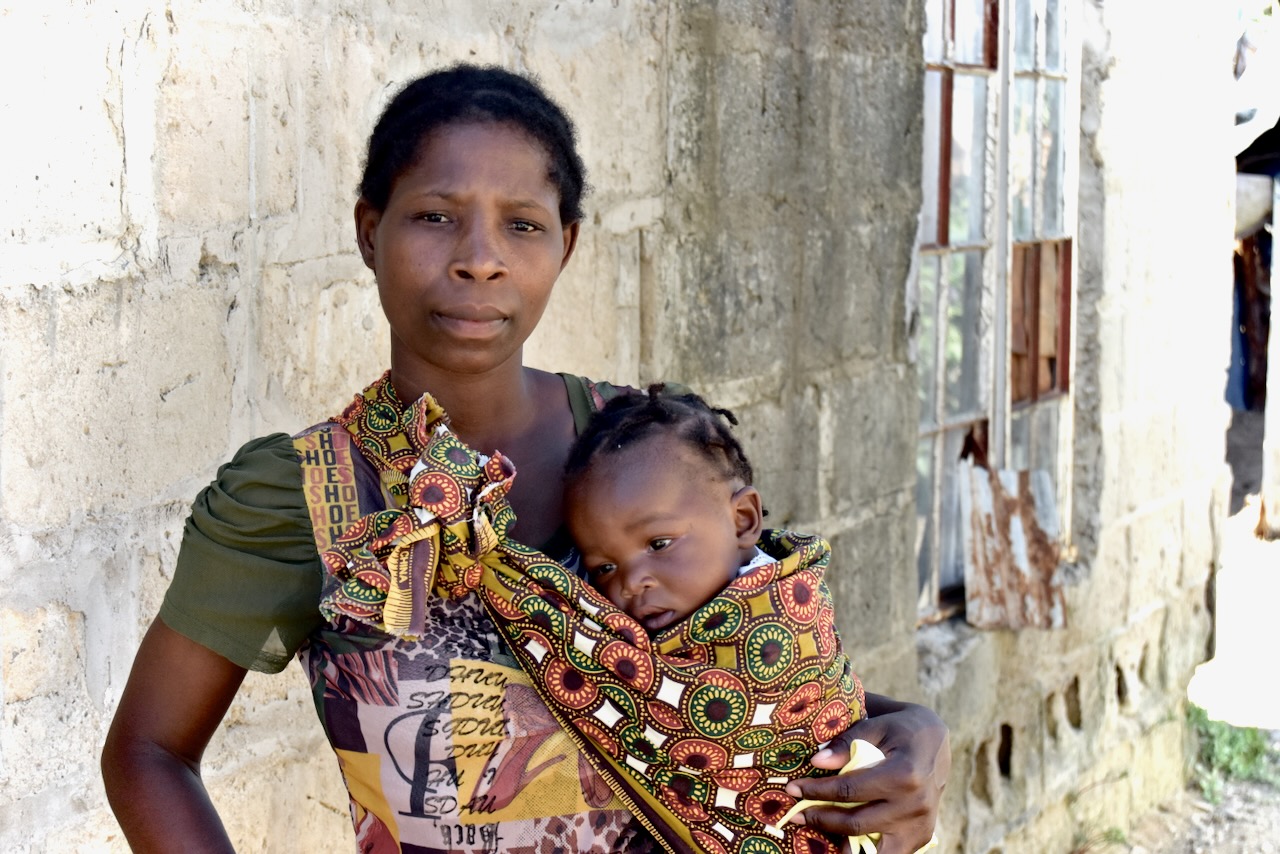
“I went to Cala Health Center to wait for my baby to be born. At the maternity waiting house, the nurses were very kind and looked after me well. Around 9 p.m., my contractions started. My mother-in-law was worried and went for help, and the nurse on duty came quickly. She examined me, confirmed I was in labor, and took me to the delivery room.There was no electricity that night, so my baby was delivered by the light of a cellphone. The nurse did her best, and my baby arrived safely. But the worst was still to come. After the birth, she had to stitch me up, and the light from the phone was so weak that she could barely see. She stitched in the wrong places, and the pain was indescribable.When I went back days later to have the stitches removed, they told me the wound hadn’t healed properly. I had to go through another procedure, and once again I faced intense pain and suffering."
Sara, maternity patient, resident of Cala
The health advocate, village health committee, and patients’ rights office brought this urgent safety concern to the maternity ward supervisor, who confirmed the issue had been reported to district authorities. However, the team didn’t stop there—with support from the health center director, they met directly with the District Chief Medical Officer to advocate for immediate action.
Their persistence made a difference. The district dispatched a technical team to restore electricity in the maternity ward. They also introduced quarterly maintenance checks to prevent future outages.
Today, thanks to ongoing follow-up by the health advocate, women are giving birth under reliable lighting - ensuring safer procedures and more dignified care. What was once a dangerous situation has become a lasting, community-driven solution that protects the lives of mothers and newborns.
"For two months, our health center had no working electricity, and it was extremely hard. It seriously affected the care we could give pregnant women in our maternity ward. We were stitching, inserting IVs, and even delivering babies by the light of a cellphone. Working like that limited the care we could provide and put both our patients and us nurses at greater risk of infection. Things only began to change thanks to the health advocate and the health committee. They never gave up, and the electrical system was finally repaired. Today we feel enormous gratitude and relief, knowing we can work safely and give our patients the dignified care they deserve."
Cristina Soto, Maternal and Child Health Nurse, Cala
Your support helps communities speak up, fix broken systems, and protect patients’ rights to safe, respectful healthcare.
Key Insights